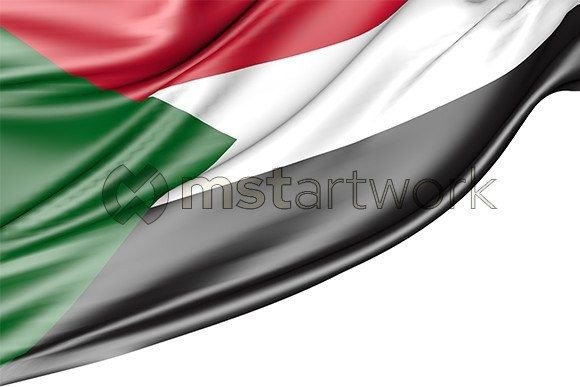
Sudan Flag Isolated on White Background
When sourcing visual assets for projects involving North African heritage, national identity, or geopolitical education, finding high-fidelity imagery can be a significant bottleneck. The Sudan Flag Isolated on White Background serves as a critical design asset that bridges the gap between symbolic representation and practical application. Unlike standard flat vectors or low-resolution web clips, this specific 3D illustration offers depth, texture, and a clean aesthetic that respects the dignity of the emblem while remaining versatile enough for modern digital workflows. The isolation on a pure white background is not merely a stylistic choice; it is a functional necessity for designers who need to composite national symbols into complex layouts without spending hours masking edges or correcting color fringing.
The visual personality of this asset leans toward professional realism rather than cartoonish abstraction. The 3D rendering introduces subtle lighting gradients and fabric physics that give the flag a tangible presence. This matters significantly when the end goal is print-on-demand merchandise or high-impact editorial design. A flat graphic often looks like an afterthought when placed on a textured t-shirt or a glossy mug, but a rendered illustration with dimensional shading integrates naturally with physical products. The Pan-Arab colors—the red, white, black, and green triangle—are rendered with accurate color values, ensuring that the symbol maintains its integrity across different media, from baby clothes to formal presentation slides.
Practical Applications Across Digital and Print Media
Versatility is the primary metric for evaluating any stock asset, and this file excels because of its specific technical specifications. At 3840×2160px, the resolution aligns perfectly with 4K video standards and high-DPI printing requirements. For content creators and social media managers, this size provides ample cropping freedom. You can zoom in on the green triangle for a detailed Instagram story background or use the full frame for a YouTube thumbnail without encountering pixelation. The JPG format ensures broad compatibility across all design software, from Adobe Creative Cloud and Affinity Designer to Canva and mobile editing apps, making it accessible to both professional agencies and hobbyist crafters.
In the realm of e-commerce and print-on-demand, the isolated white background acts as a universal canvas. Entrepreneurs designing apparel, stickers, or heat transfer paper rely on clean cutouts to ensure the final product looks manufactured rather than printed-on. While vector files are traditionally preferred for apparel, high-resolution raster illustrations like this offer a level of photorealism that vectors cannot replicate. When applied to mugs, posters, or wall art, the 3D shading mimics how light actually interacts with fabric, creating a premium perception for the buyer. For those working on scrapbooking or greeting cards, the crisp edges allow for easy layering over patterned papers without visual noise interfering with the composition.
Educational publishers and corporate trainers also benefit from this specific presentation style. When integrating the Sudan Flag Isolated on White Background into slide decks or textbooks, the neutrality of the white backdrop prevents clashing with existing brand colors or template designs. It functions similarly to a display font in typography; it commands attention without overwhelming the supporting content. This makes it ideal for history lessons, cultural diversity training, international business reports, and travel guides where accuracy and visual clarity are paramount.
Visual Hierarchy and Design Integration
Integrating national symbols requires a thoughtful approach to visual hierarchy. Just as a designer carefully selects a serif font for body text and a bold sans serif font for headlines, the placement of a flag must be balanced against other elements. The 3D nature of this illustration gives it inherent visual weight. In a layout featuring multiple flags or icons, this asset will naturally draw the eye due to its dimensionality. Designers should account for this by providing adequate negative space around the image. Crowding the flag with dense text or busy patterns diminishes its impact and can make the overall design feel cluttered or disrespectful.
Color management is another crucial consideration. The specific shades of red, green, and black in the Sudanese flag carry deep historical meaning. When using this JPG asset alongside custom typography or branding elements, ensure your color profile is consistent. If you are designing for web, sRGB is standard, but for the mentioned print applications like heat transfer paper or commercial publishing, verifying CMYK conversion is essential to prevent color shifting. The rich saturation in this 3D render provides a solid reference point for selecting complementary modern typography or accent colors. For instance, pairing this flag with a clean, geometric typeface reinforces a contemporary, forward-looking narrative, whereas a traditional script font might evoke a sense of heritage or ceremonial occasion.
For brand strategists and marketers, consistency builds recognition. Using a single, high-quality source file across all touchpoints—from website headers to packaging design—ensures that the representation of Sudan remains uniform. Low-quality or inconsistent flag imagery can inadvertently signal a lack of professionalism or cultural awareness. By utilizing a premium, high-resolution asset, organizations demonstrate attention to detail and respect for the subject matter. This level of polish contributes to overall brand perception, signaling that the content has been curated with care.
Evaluating Quality and Licensing for Commercial Use
Before integrating the Sudan Flag Isolated on White Background into a commercial project, it is vital to evaluate the asset against your specific deliverables. While 3840×2160px is robust, always test the image at the intended print size before finalizing production. For large-format wall art or banners, view the file at 100% zoom to check for artifacting or softness in the render. If the project involves small-scale items like stickers or baby clothes, this resolution is more than sufficient and allows for multiple variations from a single master file. Testing font pairings alongside the image is equally important; place your chosen typeface next to the flag to ensure the visual styles harmonize rather than compete.
Licensing is the foundation of ethical and legal design practice. National flags themselves are generally in the public domain, but specific 3D renders, illustrations, and photographs are protected intellectual property created by individual artists. Always verify the license terms associated with this specific JPG file. A standard personal license may cover scrapbooking or classroom use, but selling t-shirts, mugs, or using the image in monetized YouTube videos typically requires a commercial or extended license. Respecting these terms protects your business from liability and supports the creators who produce high-quality design assets.
Finally, consider the context of use. While this asset is technically excellent, its appropriateness depends on the message. In editorial design or news reporting, the realistic 3D style adds gravitas. In children’s educational materials, the bright colors and clean isolation aid engagement. However, for highly solemn or memorial contexts, a designer might opt for a muted or flat version instead. Understanding the nuance between technical quality and contextual fit is what separates competent assembly from expert design. By treating the Sudan Flag Isolated on White Background as a deliberate design element rather than generic clip art, creators can produce work that is visually striking, culturally respectful, and professionally executed.