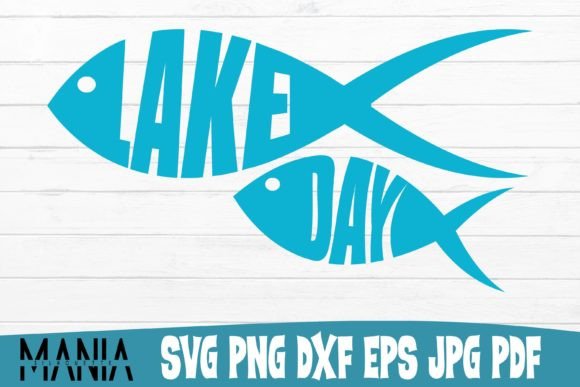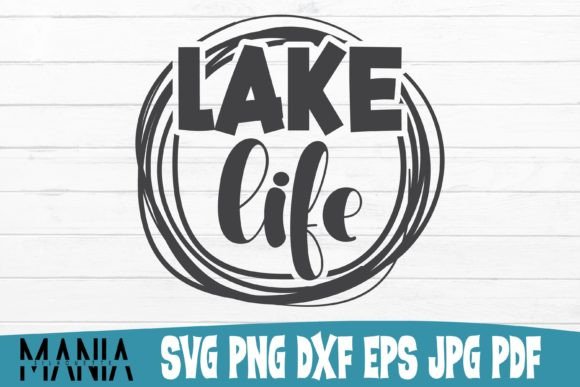
Evaluating Lake Life Svg Cut File Design: Formats, Compatibility, and Practical Application
When selecting digital assets for crafting projects centered around waterfront aesthetics, the technical integrity of the file is just as important as the artistic composition. A Lake Life Svg Cut File Design serves as a versatile foundation for apparel, signage, and home decor, but its utility depends entirely on how well it integrates with your specific workflow. Unlike raster-based images that pixelate when resized, vector-based cut files offer mathematical precision that allows for infinite scalability. This particular design pack distinguishes itself by providing a comprehensive suite of six distinct file formats, ensuring that whether you are operating a hobbyist cutting machine or professional editing software, the asset remains functional and high-fidelity.
For crafters and small business owners comparing resources, understanding the distinction between a single-format download and a multi-format bundle is essential. While many marketplaces offer isolated SVG or PNG files, this collection includes SVG, PNG, EPS, JPEG, DXF, and PDF variations. This breadth addresses the common pain point of format incompatibility, where a designer must purchase multiple versions of the same art or spend hours converting files and risking quality loss. By evaluating the specific contents of this pack against standard industry offerings, users can determine if this all-in-one approach aligns with their production needs and equipment capabilities.
Technical Specifications and Format Utility
The value of a digital design pack lies in the practical application of each included file type. When assessing this Lake Life Svg Cut File Design, it is helpful to understand the specific role each format plays in a production environment. The inclusion of six separate file types covers the spectrum from direct cutting to complex digital editing.
- SVG (Scalable Vector Graphics): This is the primary format for Cricut Design Space and Silhouette Studio Designer Edition. Because SVGs are XML-based vectors, they retain crisp edges at any dimension. This file contains organized layers, allowing users to manipulate individual elements of the lake life theme without breaking the overall composition.
- PNG (Portable Network Graphics): Provided with a transparent background, this raster file is ideal for sublimation printing, web use, or as a reference layer within cutting software. Unlike the SVG, the PNG has a fixed resolution, making it better suited for print-then-cut projects rather than standalone vinyl cuts.
- EPS (Encapsulated PostScript): Essential for users working in Adobe Illustrator, CorelDRAW, or Inkscape. The EPS format preserves vector data in a way that professional design software can interpret for deep editing, color separation, or integration into larger commercial layouts.
- JPEG (Joint Photographic Experts Group): Specifically noted for Iron-On machines and heat press applications. While JPEGs do not support transparency, they are universally compatible with older or simpler heat transfer devices that lack vector processing capabilities.
- DXF (Drawing Exchange Format): A critical alternative for users of the basic (free) version of Silhouette Studio, which does not support SVG imports. DXF files serve as the bridge for non-subscription users to access vector cut lines.
- PDF (Portable Document Format): Acting as a visual catalog, this file displays all clip arts in one place. It serves as an organizational tool, allowing users to preview designs without loading them into cutting software, streamlining the selection process for bulk orders.
Comparing Vector Integrity Against Standard Raster Alternatives
A primary decision factor when choosing a Lake Life Svg Cut File Design is determining whether a vector source is necessary compared to cheaper or free raster alternatives. Raster images (like standard JPGs found on general image sites) are composed of pixels. When enlarged for a large window decal or a boat banner, these pixels become visible, resulting in jagged edges and a perceived lack of professionalism. In contrast, the vector nature of the SVG, EPS, and DXF files in this pack uses geometric formulas to render lines.
This "infinite expandability" is not merely marketing terminology; it is a functional requirement for variable-sized projects. If you intend to apply the same lake-themed design to a baby onesie and a large wooden sign, a vector file ensures identical line weight and clarity across both mediums. Raster alternatives would require sourcing two different resolutions or accepting quality degradation. However, if your project is strictly digital or limited to small-scale sublimation where DPI requirements are static, the premium associated with meticulously layered vectors may be less critical. Users should evaluate their project roadmap: if size variability is anticipated, the vector formats provide necessary insurance against quality loss.
Software Compatibility and Workflow Integration
Compatibility is often the bottleneck in digital crafting. A design may be aesthetically perfect but functionally useless if it cannot be opened in your preferred ecosystem. This pack’s compatibility profile is notably broad, covering both consumer-grade cutting platforms and professional creative suites.
For Cricut Explore and Silhouette Studio users, the pre-tested layers mean reduced preparation time. Many generic cut files require significant node editing or welding before they are cut-ready. The description emphasizes that these pieces are "continuously tested," suggesting that redundant nodes have been removed and paths closed. This directly compares favorably to free repository files, which often contain hidden errors that cause cutting machines to pause or fail mid-project.
Professional designers utilizing Adobe Illustrator, Photoshop, Flash, After Effects, or 3D editing software will find the EPS and SVG formats particularly relevant. The ability to import the design into After Effects for animation or into a 3D modeling program for engraving mockups extends the asset's lifespan beyond simple vinyl cutting. If your workflow is exclusively limited to basic iron-on transfers without digital customization, the JPEG inclusion suffices. However, for users who cross-pollinate between physical crafting and digital content creation, the multi-software compatibility eliminates the need to redraw the concept from scratch in different environments.
Assessing Quality Tradeoffs and Editing Capabilities
While the versatility of this Lake Life Svg Cut File Design is a significant strength, users must also weigh potential tradeoffs. The primary advantage cited is the organization of layers and the absence of flaws. In the digital design marketplace, "layered" can sometimes mean "fragmented." Poorly organized vectors may have hundreds of unnecessary layers that make color changes tedious. The claim of being "meticulously crafted" implies a balance where elements are grouped logically for user convenience rather than just separated arbitrarily.
However, total flexibility requires user skill. Having editable EPS and SVG files means the burden of customization falls on the creator. Unlike a pre-made sticker where the design is locked, these files invite modification. For beginners, this openness can be daunting compared to proprietary cartridge systems that limit choices but guarantee simplicity. Users accustomed to the guardrails of cartridge-based ecosystems may initially find the unrestricted nature of open vector files overwhelming. Conversely, experienced creators will view the lack of cartridge limitations as a definitive benefit, allowing for custom sizing, font pairing, and element rearrangement that proprietary systems prohibit.
Furthermore, while the files are described as suitable for everything from baby shirts to "engraving on the moon," practical material constraints still apply. The file provides the geometry, but the physical outcome depends on substrate preparation, machine calibration, and material quality. The digital perfection of the cut file does not compensate for incorrect blade depth or improper heat press settings. Users should view this asset as a high-quality input variable in a larger equation, not a guarantee of physical output success independent of operator skill.
Determining Fit: When to Choose This Resource
Selecting the right design resource involves matching product attributes to specific user scenarios. This Lake Life Svg Cut File Design pack is likely the optimal choice for:
- Multi-Media Creators: Users who produce varied merchandise (apparel, signage, digital media) and need a single asset source that adapts to different outputs without repurchasing.
- Software Agnostics: Crafters who own multiple machines or are transitioning between platforms (e.g., moving from Silhouette to Cricut) and need future-proof file formats like DXF and SVG simultaneously.
- Commercial Producers: Small business owners requiring clean, licensed-ready vectors that minimize production downtime caused by file repair or conversion errors.
- Customizers: Designers who treat base art as a starting point and require EPS/SVG access to integrate the lake theme into broader branding projects.
Conversely, alternative options may be more appropriate if:
- You require a physical product rather than a digital file.
- Your project is a one-time, small-scale craft where a lower-cost, single-format PNG would suffice.
- You lack vector editing software and have no intention of learning node manipulation, making the advanced editing features of the EPS/SVG redundant.
- You prefer the curated, restricted environment of proprietary cartridges over open-system flexibility.
Ultimately, the decision rests on the intersection of technical requirement and creative freedom. By offering a validated, multi-format suite, this design pack mitigates the risks commonly associated with digital downloads—compatibility failures, poor scaling, and disorganized layers. For adults researching durable, adaptable assets for lake-themed projects, the comprehensive nature of this file set provides a pragmatic solution that balances professional grade specifications with consumer-level accessibility. Evaluating your specific hardware, software proficiency, and long-term project goals against these specifications will confirm whether this premium pack represents a sound investment for your creative inventory.