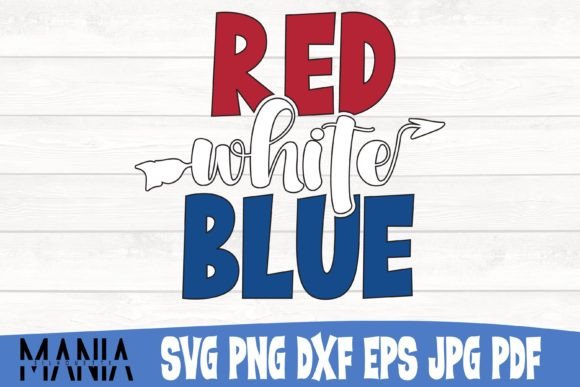
Evaluating the Red White Blue SVG Cut File Design for Digital Crafting
The Red White Blue SVG Cut File Design represents a specific category of digital assets tailored for patriotic crafting, seasonal apparel, and thematic home decor. For makers utilizing electronic cutting machines or graphic design software, selecting the correct file format is as critical as the aesthetic appeal of the artwork itself. This particular design package offers a comprehensive suite of vector and raster formats intended to bridge the gap between creative concept and physical production. Understanding the technical specifications and practical applications of this multi-format pack allows crafters to determine if it aligns with their current hardware capabilities and project requirements.
Understanding the Multi-Format Asset Pack
A primary consideration when evaluating digital cut files is compatibility. The Red White Blue SVG Cut File Design distinguishes itself by providing six distinct file types within a single download. This variety addresses the fragmentation often found in the crafting community, where users operate different machines and software versions. The inclusion of specific formats serves distinct functional purposes:
- SVG Files: Designed specifically for Cricut Design Space and Silhouette Studio (Designer Edition and above), these scalable vector graphics maintain crisp edges at any size and allow for individual layer manipulation.
- PNG Files: Featuring a transparent background, these high-resolution raster images are essential for sublimation printing, web use, or overlaying onto textured backgrounds without white boxes.
- DXF Files: Serving as the universal vector exchange format, DXF ensures compatibility with the free version of Silhouette Studio and other entry-level cutting software that may not support native SVG imports.
- EPS Files: Targeted at professional designers using Adobe Illustrator or CorelDRAW, this format preserves complex vector data for extensive editing and commercial-grade production.
- JPEG Files: Optimized for heat transfer and iron-on applications, these flattened images provide a reliable fallback for machines or software that struggle with vector paths.
- PDF Files: Acting as a visual catalog and printable reference, this document consolidates all clip art for easy verification before importing into cutting software.
This structural organization suggests that the asset pack is engineered for versatility rather than niche exclusivity. For users managing multiple workflows or collaborating across different platforms, this breadth reduces the need to purchase separate files for different output methods.
Technical Quality and Layer Organization
Beyond file format, the internal architecture of a cut file dictates its usability. Poorly constructed vectors can lead to jagged cuts, excessive node counts, and frustrating weeding processes. The Red White Blue SVG Cut File Design emphasizes meticulous craftsmanship with well-defined, continuously tested layers. In practical terms, this means that color separations are logical, and overlapping elements are properly welded or grouped.
For crafters producing vinyl decals or iron-on transfers, organized layers are non-negotiable. They allow for efficient color changes on the cutting mat and reduce material waste. Furthermore, the infinite expandability of true vector formats (SVG, EPS, DXF) ensures that the design retains high fidelity whether applied to a baby onesie or scaled up for large-format signage. Unlike raster-only designs that pixelate when enlarged, this vector-based approach supports diverse sizing needs without quality degradation. However, users should note that while the vectors are scalable, extremely intricate details may still present weeding challenges at very small sizes, regardless of file quality.
Software and Hardware Compatibility Considerations
The stated compatibility list for this design pack is extensive, covering industry standards like Cricut Explore, Silhouette Studio, Make The Cut, and Sure Cuts A Lot, alongside professional suites like Adobe Illustrator, Photoshop, and After Effects. This wide net makes the Red White Blue SVG Cut File Design a strong candidate for mixed-media creators who move between physical crafting and digital content creation.
However, objective evaluation requires acknowledging potential friction points. While the files are compatible with major platforms, performance can vary based on software version and computer processing power. Users operating older versions of Silhouette Studio must rely on the DXF file, which occasionally loses layer color information during import. Similarly, those using Adobe Flash or After Effects should verify that their specific workflow supports static vector imports effectively. The inclusion of JPEG and PNG alternatives provides a necessary safety net for these edge cases, ensuring that even if vector editing fails, the design remains usable for print-and-cut or direct heat application.
Situational Fit: When This Design Pack Succeeds
This asset pack is particularly well-suited for specific user profiles and project types. It offers significant value for:
- Multi-Machine Households: Families or small businesses running both Cricut and Silhouette machines benefit from having SVG and DXF formats in one place.
- Hybrid Crafters: Makers who combine vinyl cutting with sublimation or screen printing will utilize both the vector and transparent raster files.
- Commercial Producers: The EPS inclusion allows for professional refinement and trademark-safe modifications before mass production.
- Beginners with Growth Potential: New users starting with basic software can use DXF/JPEG now and transition to SVG/EPS as their skills and equipment upgrade.
In these scenarios, the comprehensive nature of the pack eliminates format conversion headaches and streamlines the production pipeline. The organized layer structure further supports batch production, where consistency across multiple items is paramount.
Tradeoffs and Alternative Options
Despite its versatility, the Red White Blue SVG Cut File Design may not be the optimal choice for every situation. Understanding these tradeoffs aids in making an informed purchasing decision:
- File Management Overhead: Six files per design increase storage requirements and organizational complexity compared to single-format packs. Users with limited digital workspace may find this cumbersome.
- Learning Curve: Beginners unfamiliar with vector vs. raster distinctions might initially select the wrong file type, leading to suboptimal results. Educational investment is required to leverage the full pack.
- Over-Specification: Casual hobbyists who exclusively use one machine and one method (e.g., only Cricut vinyl cutting) may never utilize 80% of the included formats, potentially paying for unnecessary features.
- Editability Limits: While EPS files allow editing, pre-designed layers may still require significant restructuring for highly customized projects. Users seeking complete ground-up customization might prefer blank templates or brush sets instead.
If a user’s needs are strictly limited to a single platform or if they require fully original artwork rather than pre-made designs, exploring platform-specific bundles or commissioning custom work may yield better ROI. Conversely, for those valuing flexibility and future-proofing, the tradeoffs are generally acceptable given the utility provided.
Making the Final Decision
Selecting the right digital asset involves balancing immediate project needs against long-term workflow efficiency. The Red White Blue SVG Cut File Design positions itself as a versatile, professional-grade solution suitable for a broad spectrum of crafting applications. Its strength lies in format diversity and technical reliability, addressing common pain points in digital fabrication.
Prospective users should assess their current hardware, software proficiency, and project scope against the features outlined above. If cross-platform compatibility, scalable vector quality, and multi-method application are priorities, this pack likely meets those criteria effectively. By focusing on practical utility rather than novelty, makers can ensure their digital investments translate successfully into tangible, high-quality creations.