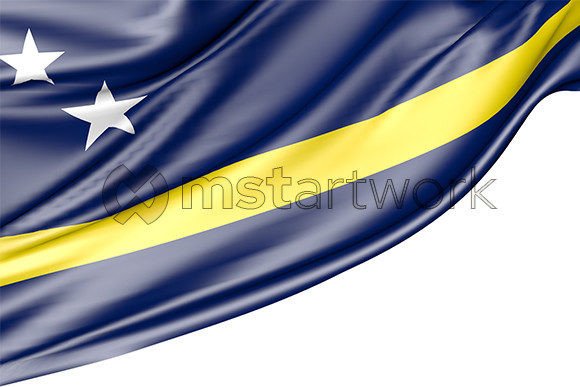
Evaluating Angola Flag Isolated on White 3D Illustrations for Digital and Print Projects
When sourcing visual assets for projects involving Angolan heritage, national identity, or geopolitical content, the specific search for an Angola flag isolated on white often yields two distinct categories: flat vector graphics and 3D illustrations. While flat vectors serve standard informational purposes, the 3D illustration variant offers a unique aesthetic profile that requires careful evaluation. This asset type typically presents the national emblem with simulated depth, lighting, and fabric texture, rendered against a pure white background. For designers, educators, and content creators, understanding the functional differences between these styles is essential for selecting the right file for presentations, merchandise, or digital media.
Defining the Asset: 3D Illustration vs. Standard Vector
An Angola flag isolated on white background, 3D illustration differs fundamentally from traditional vexillological representations. Standard flags are defined by precise geometric ratios and flat color fields. In contrast, a 3D interpretation introduces variables such as wave simulation, shadow casting, and material rendering. The "isolated on white" specification ensures that the flag exists without environmental context, making it a standalone element. This isolation is critical for integration; it allows the user to place the flag onto any colored or textured background without complex masking or edge refinement.
The technical specification of 3840×2160px (4K UHD) in .jpg format further defines the utility of this asset. Unlike scalable vector graphics (SVG), this raster image has a fixed resolution ceiling. However, at this pixel density, it provides sufficient detail for large-format digital displays and medium-sized print applications. The JPG compression implies a balance between file size and quality, making it web-friendly while retaining enough fidelity for physical products like mugs or t-shirts, provided the print dimensions do not exceed the resolution's effective DPI threshold.
Primary Use Cases and Strategic Fit
Determining whether this specific asset aligns with project goals requires analyzing the intended medium. The 3D style is not universally appropriate, but it excels in specific contexts where engagement and visual richness take precedence over strict diagrammatic accuracy.
Digital Presentations and Web Integration
For slide decks and website headers, the 3D illustration serves as a high-impact focal point. The white background allows for seamless blending into light-themed templates, while the depth prevents the image from appearing sterile or clip-art-like. In educational or corporate presentations regarding Angola, this style can convey a sense of modernity and professionalism that flat graphics sometimes lack. The 16:9 aspect ratio of the 3840×2160px file matches standard presentation slides perfectly, eliminating the need for cropping or stretching that could distort the national symbol.
Print-on-Demand and Merchandise
The application of this asset extends significantly into commercial and personal crafting. For print-on-demand services, the textured appearance of a 3D flag can translate well to substrates like ceramic mugs, metal stickers, and heat transfer paper. The simulated folds and shadows can create an illusion of tactile quality on smooth surfaces. When designing baby clothes, kids' apparel, or greeting cards, the softer, more organic look of a 3D render may be perceived as less rigid and more approachable than a stark, flat official emblem. Scrapbooking and wall art projects also benefit from the pre-rendered lighting, which saves creators from having to manually add depth effects in post-production.
Benefits and Practical Advantages
Selecting a pre-rendered 3D illustration offers several tangible benefits over creating custom assets or using flat alternatives:
- Immediate Visual Depth: Achieving realistic fabric simulation and lighting in 3D software requires significant technical skill and rendering time. Utilizing a pre-made asset bypasses this production bottleneck.
- Versatile Compositing: The clean white isolation ensures that the flag can be dropped into diverse layouts—from dark social media posts to pastel craft papers—without jagged edges or color bleeding.
- Resolution Sufficiency: At 3840×2160px, the file covers most digital use cases natively and supports print sizes up to approximately 13x7 inches at 300 DPI, covering standard merchandise needs.
- Aesthetic Differentiation: In a sea of identical flat flags, the 3D variant helps content stand out in social media feeds and search results, potentially increasing click-through rates and engagement.
Tradeoffs, Limitations, and Considerations
Despite its versatility, the Angola flag isolated on white 3D illustration carries inherent limitations that must be weighed during the selection process. Objective evaluation requires acknowledging where this asset falls short.
Protocol and Formality Constraints
National flags are governed by strict protocols regarding proportion, color shade, and emblem placement. Artistic 3D interpretations often prioritize aesthetics over regulatory compliance. The waves may distort the machete and star emblem, or the red and black fields may appear uneven due to simulated lighting. Consequently, this asset is generally unsuitable for official government documents, diplomatic signage, or academic texts requiring exact heraldic accuracy. Users must verify if their project demands strict adherence to national standards or if artistic representation is acceptable.
Raster Format Limitations
The .jpg format is a lossy compression standard. While efficient for web and photo-realistic renders, it does not support transparency. Although the background is white, it is not transparent. If a user intends to place the flag over a non-white background, they must manually remove the white backdrop using editing software. This process can sometimes leave white halos around the edges, particularly where the 3D shadows meet the background. Additionally, as a raster file, scaling beyond 100% will result in pixelation. Large-format posters or billboards would require a higher resolution source or a vector alternative.
Decision-Making Framework: When to Choose Alternatives
To ensure the selected asset supports the project's success, users should apply the following decision matrix:
- Assess Formality Level: If the project is official, legal, or strictly educational, prioritize an official SVG or EPS vector file over a 3D JPG. Reserve the 3D illustration for creative, commercial, or informal contexts.
- Evaluate Background Requirements: If the design requires the flag to float over complex textures or dark colors, consider sourcing a PNG with true alpha transparency. Using a white-background JPG on a dark site will require extra editing labor that may compromise edge quality.
- Check Print Dimensions: Calculate the required print size before purchase. If the intended output exceeds 13 inches in width at high quality, the 3840×2160px resolution is insufficient. Seek larger TIFF files or vector sources for large-scale wall art or banners.
- Consider Audience Perception: For audiences valuing authenticity and tradition, a stylized 3D flag might be viewed as inaccurate. For younger demographics or lifestyle branding, the same stylization reads as modern and dynamic. Align the visual style with audience expectations.
Final Evaluation for Content Creators
The Angola flag isolated on white background, 3D illustration represents a specialized tool within the broader library of national symbols. It bridges the gap between formal iconography and decorative art. Its value lies in its ability to add visual interest and dimensional context to digital and physical products without requiring advanced 3D modeling skills from the end user. By understanding the distinction between artistic interpretation and official representation, and by respecting the technical boundaries of the JPG format, creators can effectively leverage this asset for social media, apparel, and presentation design. Ultimately, the decision to use this specific variation should be driven by the desired emotional impact and the practical constraints of the final output medium.