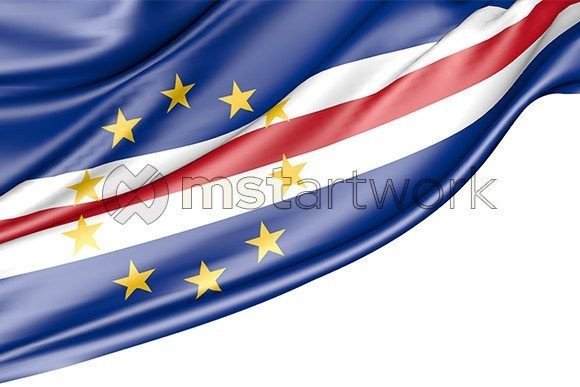
Evaluating Cabo Verde Flag Isolated on White 3D Illustrations
When sourcing visual assets for digital or print projects, the specific presentation of national symbols matters significantly. The Cabo Verde Flag Isolated on White in a 3D illustration style represents a distinct category of graphic design that differs from standard flat vector representations. This asset typically features the national flag of Cabo Verde rendered with depth, shading, and fabric texture, set against a pure white background. With a resolution of 3840×2160px in .jpg format, this specific file type serves a niche between high-resolution photography and scalable vector graphics. Understanding the technical specifications and aesthetic implications of this 3D render is essential for designers, content creators, and educators determining whether it aligns with their project requirements.
Understanding the Asset Specifications
Before integrating this graphic into a workflow, it is necessary to evaluate what the file actually offers. The 3840×2160px resolution corresponds to 4K UHD standards. For web use, social media, and digital presentations, this provides ample pixel density for crisp rendering on high-DPI screens. However, users must recognize that this is a raster image (.jpg), not a vector. Unlike an SVG or EPS file, the edges are fixed pixels. While the isolation on white facilitates easy extraction, the 3D nature means the flag has pre-rendered lighting and shadows. This creates a realistic, tactile appearance but limits the ability to change lighting direction or flatten the design without significant post-processing.
The "isolated on white" specification implies that the background is a solid #FFFFFF hex code. This is critical for users intending to remove the background programmatically or manually. In 3D renders, shadows often blend into the white background. Evaluators should inspect the asset to ensure the shadow separation is clean enough for their intended use, particularly if the final destination involves a colored or complex background where residual white halos would be visible.
Primary Use Cases and Applications
The versatility of a 3D flag illustration stems from its balance of realism and graphical cleanliness. Several specific scenarios make this asset a strong candidate over traditional alternatives:
- Digital Presentations and Web Design: The 4K resolution ensures the flag remains sharp when scaled down for slide decks or website headers. The 3D effect adds visual interest to otherwise flat layouts, helping to distinguish national identity sections in corporate reports or educational modules.
- Social Media Content: Platforms like Instagram and LinkedIn favor high-contrast, visually engaging imagery. A 3D render stands out in feeds more effectively than a static, flat rectangle, potentially increasing engagement rates for posts related to Cabo Verdean culture, tourism, or international relations.
- Print-on-Demand Merchandise: For t-shirts, mugs, and stickers, the textured look of a 3D flag can simulate embroidery or fabric movement. This aesthetic often appeals to consumers looking for premium-looking memorabilia rather than simple graphic prints. The resolution is generally sufficient for standard merchandise sizes, though large-format posters require verification of DPI.
- Educational and Craft Materials: Scrapbooking, greeting cards, and kids' clothing benefit from the softer, more illustrative quality of 3D renders compared to stark official government vectors. The depth makes the symbol more approachable for younger audiences or informal creative projects.
Benefits Versus Tradeoffs
Selecting a 3D JPG illustration involves weighing distinct advantages against inherent limitations. Objectively assessing these factors prevents frustration during the production phase.
Advantages
The primary benefit is immediate visual impact. The pre-rendered lighting and fabric folds convey a sense of motion and materiality that flat colors cannot achieve. Additionally, the white background isolation significantly reduces preparation time. Users do not need to spend hours masking complex edges; the asset is largely ready for placement. The 3840×2160px dimensions also offer flexibility, allowing the image to be cropped or resized for various aspect ratios without immediate loss of quality in digital contexts.
Limitations and Considerations
The most significant tradeoff is scalability. As a raster file, enlarging this image beyond its native resolution for large banners or billboards will result in pixelation. Furthermore, the 3D styling is permanent. If a brand guideline requires a strictly flat, minimalist aesthetic, this asset may clash with existing design systems. Color accuracy is another consideration; 3D renders interpret colors through lighting simulations, meaning the blue, white, red, and yellow of the Cabo Verde flag may appear lighter or darker than official Pantone specifications depending on the virtual light source used in the render.
Decision-Making Framework: When to Choose This Asset
To determine if the Cabo Verde Flag Isolated on White 3D illustration is the correct choice, evaluate the project against the following criteria:
- Output Medium: If the primary output is digital (screens, projections) or small-to-medium print (apparel, cards), this asset is likely suitable. If the output is large-format architectural signage, seek a vector alternative.
- Aesthetic Goal: Choose this if the goal is realism, texture, or modern graphical appeal. Avoid this if the goal is strict heraldic accuracy, legal documentation, or minimalist flat design.
- Editing Capability: If you lack advanced photo editing skills, verify that the white background removal meets your needs out-of-the-box. Complex 3D shadows can be difficult to mask cleanly without professional software.
- Licensing and Usage: Always confirm the license covers commercial use for print-on-demand or merchandise. National flags are public domain, but specific 3D artistic interpretations are copyrighted by the creator. Ensure the license permits modification and resale if applicable.
Alternatives and Comparative Analysis
While the 3D isolated flag is a powerful tool, it is not universally superior. Understanding when to select alternatives ensures optimal results.
Vector Graphics (SVG/EPS/AI): These are preferable for logos, official government documents, and large-scale printing. Vectors offer infinite scalability and exact color matching. They lack texture but provide maximum flexibility for recoloring and reshaping.
Photographic Flags: Real photographs of waving flags offer authentic context and natural lighting. These are better suited for travel blogs, news articles, or documentary-style content where artistic interpretation might detract from factual reporting. However, photos often have busy backgrounds requiring extensive retouching.
Flat Raster Icons: For UI design, app interfaces, or dense infographics, simple flat icons are superior. They load faster, communicate information instantly without visual noise, and maintain consistency across sets of multiple national flags.
Practical Integration Tips
For those proceeding with this 3D illustration, proper handling maximizes value. When using the file for heat transfer paper or baby clothes, mirror the image if necessary and test print a sample to check color vibrancy, as 3D shading can sometimes print darker than anticipated on fabric. For web integration, compress the 3840×2160px source file to WebP or optimized JPEG formats to maintain visual fidelity while reducing page load times. In presentation software, utilize the "remove background" feature cautiously; manual refinement with a pen tool often yields cleaner edges around the simulated fabric folds than automatic detection.
Ultimately, the Cabo Verde Flag Isolated on White 3D illustration serves as a specialized bridge between artistic expression and functional utility. By carefully evaluating resolution constraints, aesthetic alignment, and end-use requirements, users can effectively leverage this asset to enhance presentations, merchandise, and digital content while avoiding common pitfalls associated with raster-based 3D graphics.